Settings
 Fast Delivery
 Free Shipping
 Incoterms
 Payment Types


 Marketplace Product


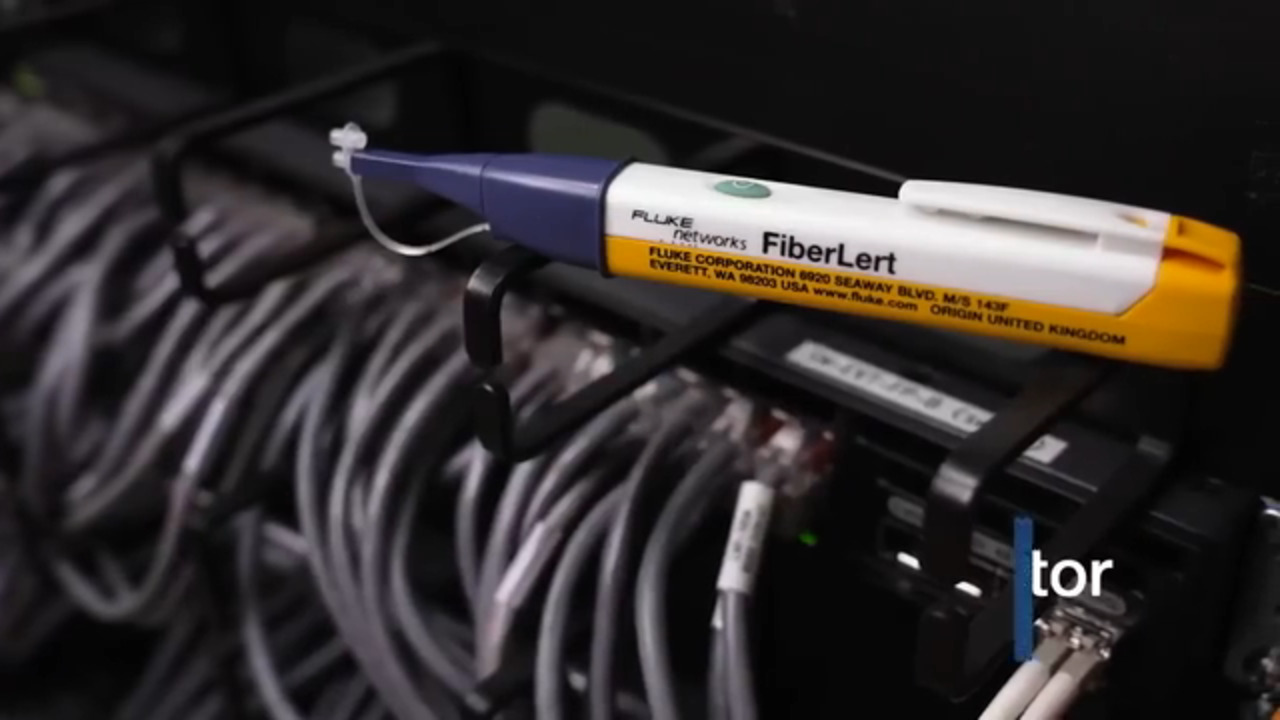
FiberLert™ Live Fiber Detector
The Fluke Networks live fiber detector is easy to use and designed for quick verification of fiber activity
 The Fluke Networks FiberLert live fiber detector is an easy-to-use, non-contact tester designed for quick verification of fiber activity, polarity, and connectivity across both single and multimode fibers. Its simple “light + tone” indication eliminates setup, reduces errors, and speeds troubleshooting in any fiber environment.
FiberLert enables technicians to instantly determine whether a fiber optic link is live by simply placing the device near a fiber endface or port—no setup, calibration, or direct contact required. A steady red LED and optional audible tone immediately confirm the presence of near infrared optical signals (850 nm to 1625 nm).
FiberLert’s non contact design eliminates the risk of contamination or damage to fiber endfaces and connectors, making it safe for routine checks, polarity testing, transceiver validation, and troubleshooting tight patch panels. The built in LightBeat™ feature provides visual confirmation that the device is powered and that batteries are healthy, while an auto off timer preserves battery life.
Features
- Instant live fiber detection: detects optical power in SM and MM fibers across 850 nm to 1625 nm
- No-contact operation: reduces contamination and protects connectors; ideal for ports and patch cords (SM, MM, UPC, APC)
- Simple visual and audible indicators: steady red LED and tone confirm fiber activity immediately
- LightBeat operational status: LED flashes to show the device is on and batteries are good
- Auto power-down: shuts off after five minutes of inactivity to conserve battery life
- Rugged, pocket-sized design: easy to access dense patch panels and carry in the field
Applications
- Verify live fiber ports before connecting or disconnecting: helps prevent accidental disruption of active links
- Check polarity and fiber continuity: quickly confirm correct routing and activity
- Troubleshoot transceiver output: detects whether SFPs/optical modules are transmitting correctly
- Identify active fibers in patch panels: non-contact design works well in tight or crowded environments